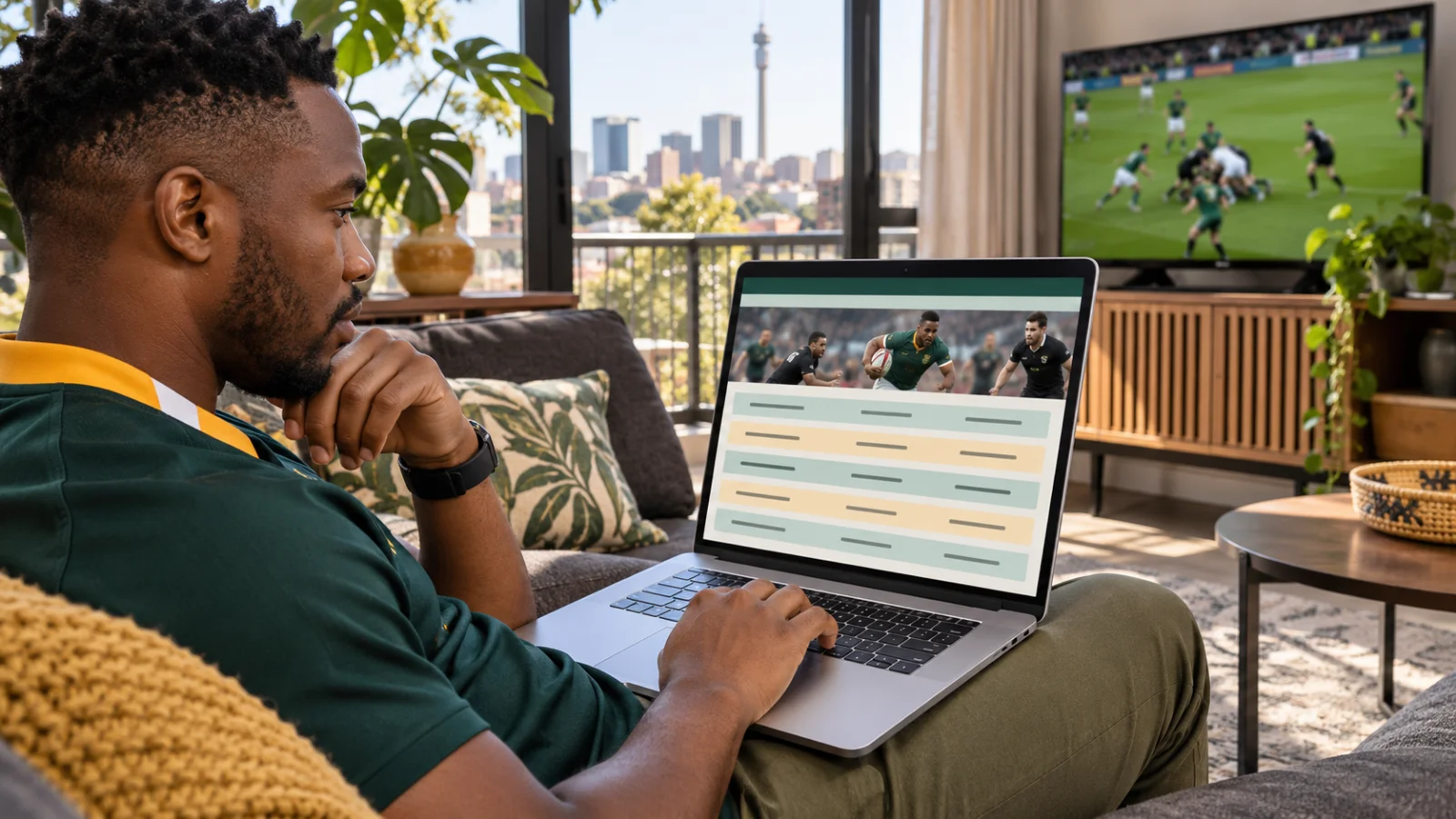
Cricket Betting for Beginners: From the First Ball to the Final Result
BetHive’s beginner guide explains how cricket bets on the match winner, team innings totals, individual batter runs and top batter work. It shows how to read an over/under runs line and calculate a potential payout. It also explains why rain delays, revised DLS targets and Super Overs can affect how different bets are settled, and what to check on your bet slip before placing a bet.
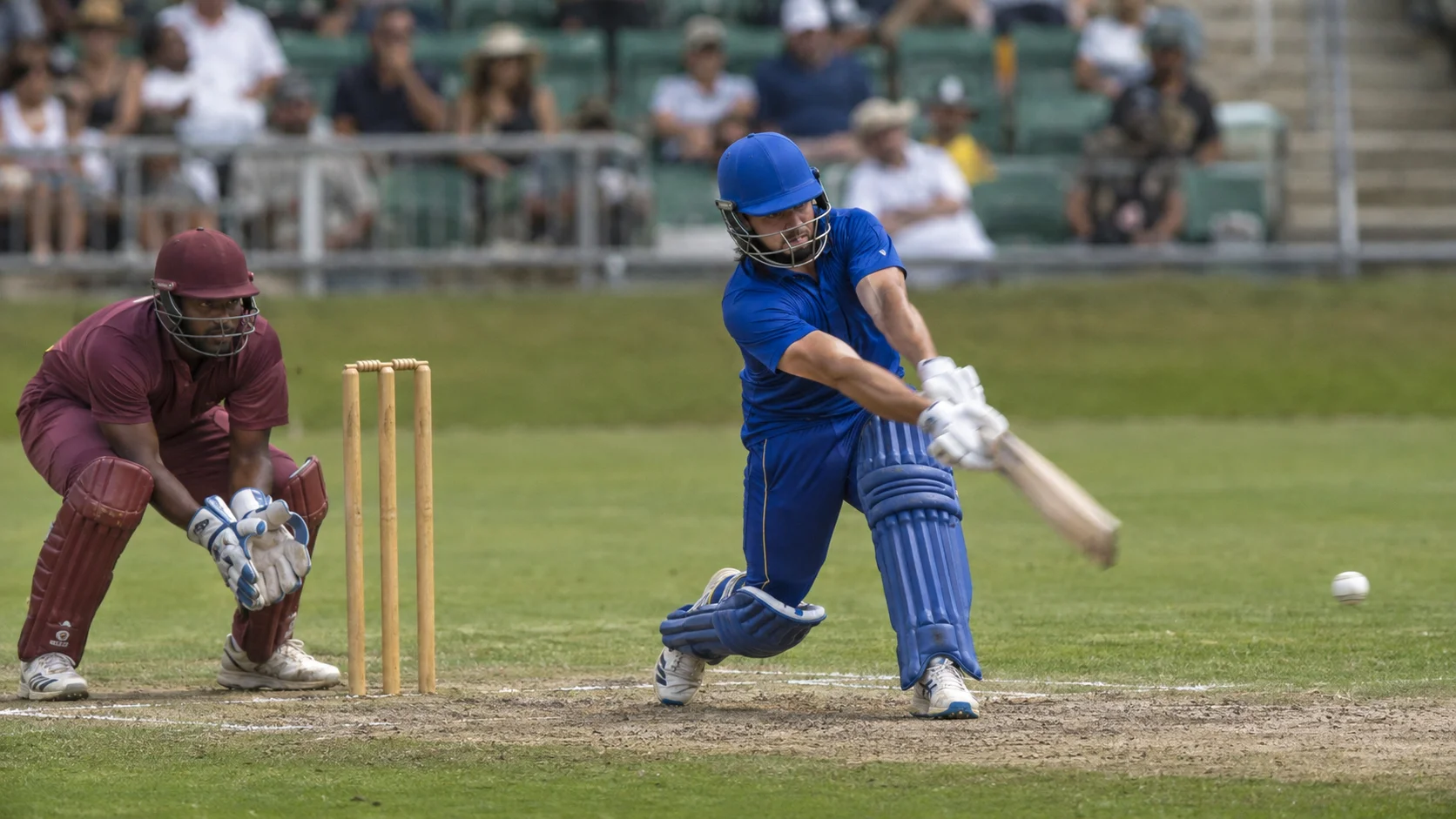
In this guide
Rain stops an SA20 chase. The teams come back to a shorter match, a winner is declared, and two people who backed the same team are checking different rules. One picked the match winner. The other backed the team to finish under its innings-total line.
This BetHive guide to cricket betting for beginners explains what those markets cover, how to read a runs line and why a result on the scoreboard can leave you with another question on your bet slip.
One Match, Four Different Bets
Start with what has to happen for your selection to win. A match-winner bet follows the team result under the market’s rules. An innings-total bet follows a team’s runs in a specified innings. A batter-runs bet follows one player’s score over the period stated on the slip.
Cricket betting market | What you’re picking | What to check |
Match winner | The team to win the match | Whether the market includes a Super Over and how it treats a tie or draw |
Innings total | Whether a team finishes over or under a runs line in a specified innings | Which team and innings the line covers, and what happens if overs are cut |
Batter runs | Whether a named player scores over or under a runs line | Which innings count and what the rules say if the player does not bat |
Top batter | Who scores the most runs among the players covered by the market | Which players and innings count, and how equal scores are settled |
The difference between batter runs and top batter matters. A player who scores 34 clears a line of 29.5 runs. If a teammate scores 48 in the same innings, that 34 may still leave your player short in the top-batter market.
The Line Says 159.5. What Does Your Team Need?
Imagine a team has an innings-total line of 159.5 runs. Over 159.5 needs 160 or more. Under 159.5 needs 159 or fewer. The half-run means the final score cannot land exactly on the line.
The number beside that selection is the price. In a hypothetical example, a R50 cash stake at decimal odds of 1.90 would return R95 if the bet wins and settles normally. That includes your R50 stake, so the profit would be R45.
If you’re looking at that line after the match has started, check whether it covers the whole innings or a specified group of overs. The score you see on screen only helps once you know which runs count.Read BetHive’s live betting guide.
Rain Cuts the Chase. Which Bets Still Stand?
Imagine the chasing side is 92/2 after 11 overs when rain arrives. The players return, the chase is shortened to 15 overs, and the team reaches its revised target. The Duckworth–Lewis–Stern method, usually called DLS, can adjust the target when a limited-overs match loses playing time.
Now suppose the team reaches its revised target and finishes on 128. You picked under 159.5 before the match, when the chase was scheduled for 20 overs. If the market’s rules require a minimum allocation of more than 15 overs, your innings-total bet could be void. A match-winner bet on the same team could still settle as a win if the rules recognise the official DLS result. Check the settlement rules for each market on your slip.
The Scores Are Level. Does the Super Over Count?
A Super Over gives each team up to one over to bat when the competition’s playing conditions use it to break a tie. If your match-winner market says “including Super Over”, the tiebreaker counts towards that bet. Check the rules for innings totals and batter runs separately to see which runs count.
Read Your Bet Slip Before the First Ball
Check the match, the selection and the period it covers. If you’ve picked a runs market, read the line back in whole numbers. If you’ve picked the match winner, check what happens after a tie, a washout or a revised chase. Set your spending limit beforehand and keep it if the match takes an unexpected turn.
18+ only. T&Cs apply. Gamble responsibly.Read BetHive’s responsible gambling information.
Gambling carries risk. You must be 18 or older. If gambling stops being fun, seek support from the South African Responsible Gambling Foundation.
Frequently asked questions
Read next

Betting Payment Methods in South Africa: 5 Trusted Options
You can deposit with a voucher and still need a bank account to withdraw. This BetHive guide compares five betting payment methods in South Africa, from Ozow and Capitec Pay to prepaid vouchers and bank cards. It explains what to check in both cashier tabs, including payout destinations, fees and minimums, and what to do if a payment goes through without updating your balance.
Join the Hive